$13.59
$16.99
50% OFF! Hot items selling fast—Grab them before they're gone!
 Unconditional Satisfaction GuaranteeNo Shipping Fees Above 302 Months to Decide. Returns Simplified.
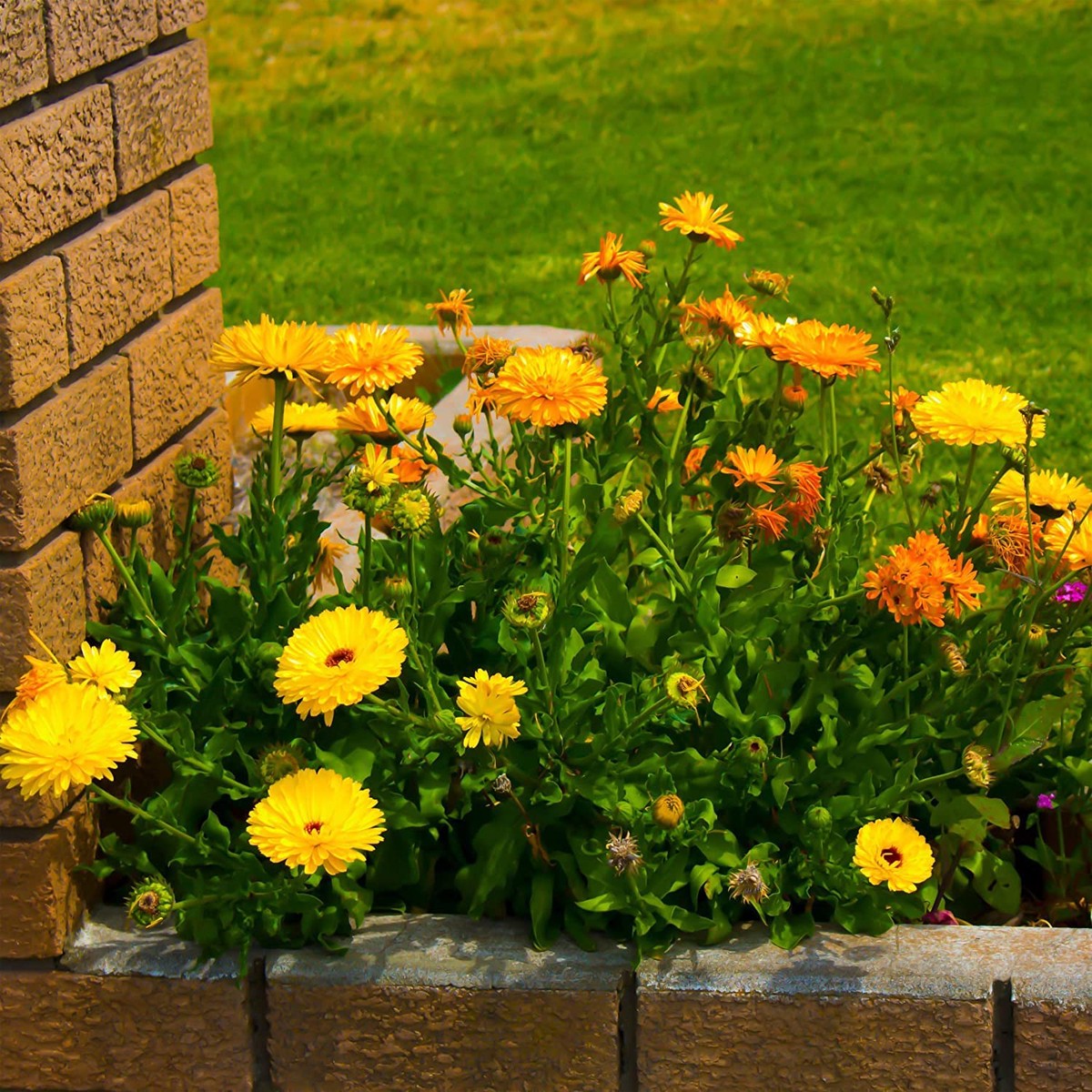
Calendula officinalis ‘Yellow’ offers cheerful golden blooms, ideal for brightening up flower beds and vegetable gardens. This hardy annual is well-known for its pest-repellent properties, making it an excellent companion plant in the garden. It can help deter aphids, beetles, and other pests that may damage neighboring plants.
Yellow Calendula is perfect for flower beds, borders, and companion planting. It adds color while protecting other plants from pests, making it an essential addition to your garden.
Dhara Seeds offers premium Yellow Calendula seeds that not only brighten your garden but also provide natural pest control. This variety is perfect for enhancing both ornamental and functional garden spaces.
Yes, Calendula is often used for its anti-inflammatory and healing properties, especially for skin conditions.
It helps by deterring pests such as aphids and beetles, which can harm other plants in your garden.