$13.59
$16.99
50% OFF! Hot items selling fast—Grab them before they're gone!
 Unconditional Satisfaction GuaranteeNo Shipping Fees Above 302 Months to Decide. Returns Simplified.
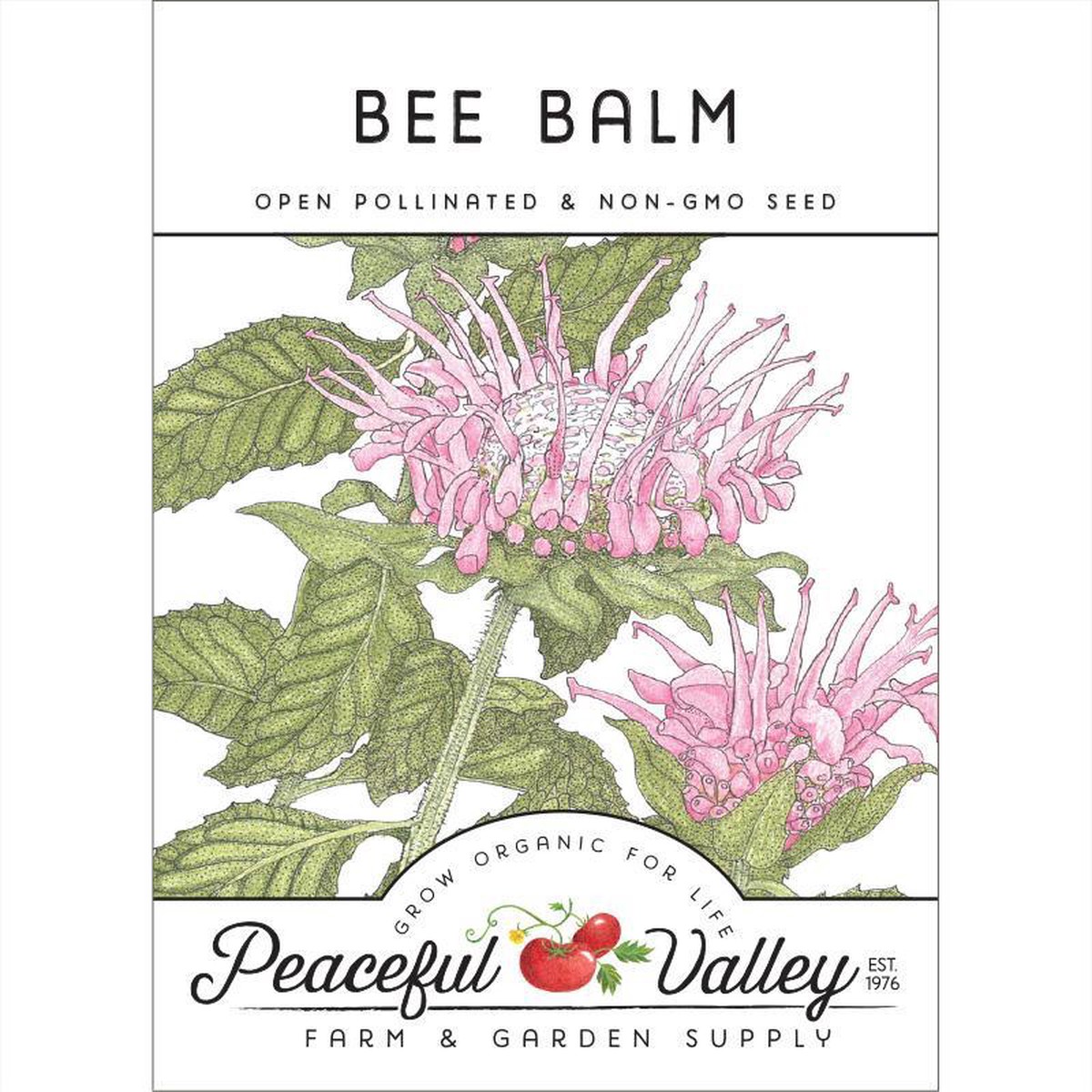
Bee Balm – Monarda fistulosa
Flowers: Aromatic leaves. Blooms in summer
Attracts: Attracts birds, hummingbirds, butterflies, and bees
Soil: Requires moderately fertile, well draining soil
Native: North America
USDA Zone: 4-8
Plant In: Fall or Spring
Planting Depth: 1/8″
Days to Germinate: 10-21 Days
Height At Maturity: 3′-4′
Sun/Shade Requirements: Full to Partial Sun. Partial shade.
Water Needs: Moderate Water
Approx. Seeds Per Pack: 700
Bee balm is native to North America. It originates from various regions across the continent, primarily in eastern and central parts of the United States and Canada. Different species of bee balm can be found in specific areas within this range.
Today, bee balm has become a popular garden plant not only in its native range but also in other parts of the world due to its attractive flowers, aromatic leaves, and its ability to attract pollinators like bees and butterflies. Gardeners and horticulturists have also developed various cultivars and hybrids of bee balm, further expanding its presence in gardens and landscapes around the globe.
So, while bee balm has its roots firmly planted in North America, its popularity has spread beyond its native habitat to become a beloved and versatile garden plant worldwide.
Growing bee balm (Monarda spp.) is a desirable choice for gardeners due to a multitude of reasons, encompassing both aesthetic and practical benefits. Here are several compelling reasons why someone might want to cultivate this lovely herbaceous perennial:
In summary, cultivating bee balm offers a harmonious blend of ecological benefits, aesthetic charm, culinary utility, and low-maintenance gardening, making it a compelling choice for those seeking a versatile and rewarding addition to their outdoor spaces.