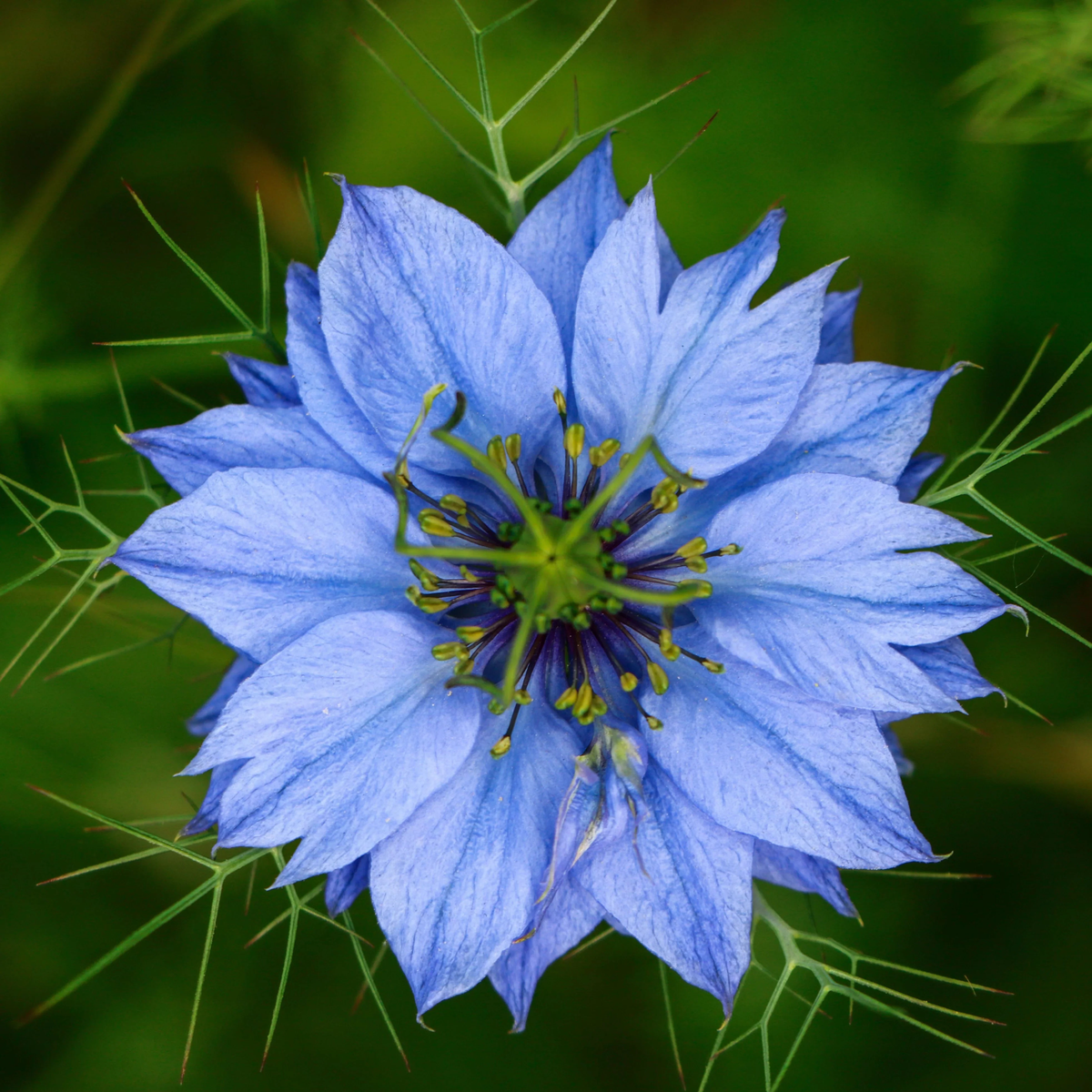
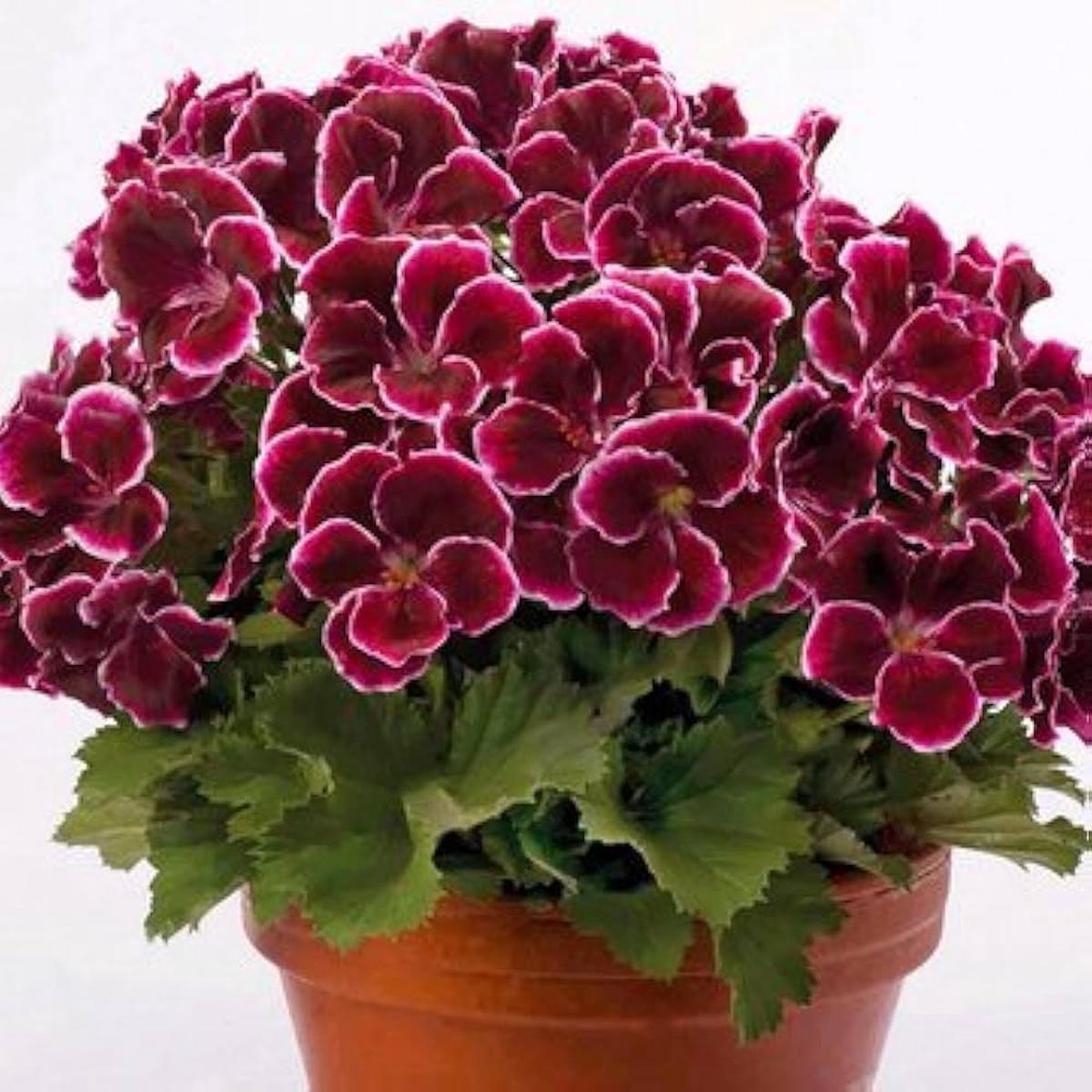
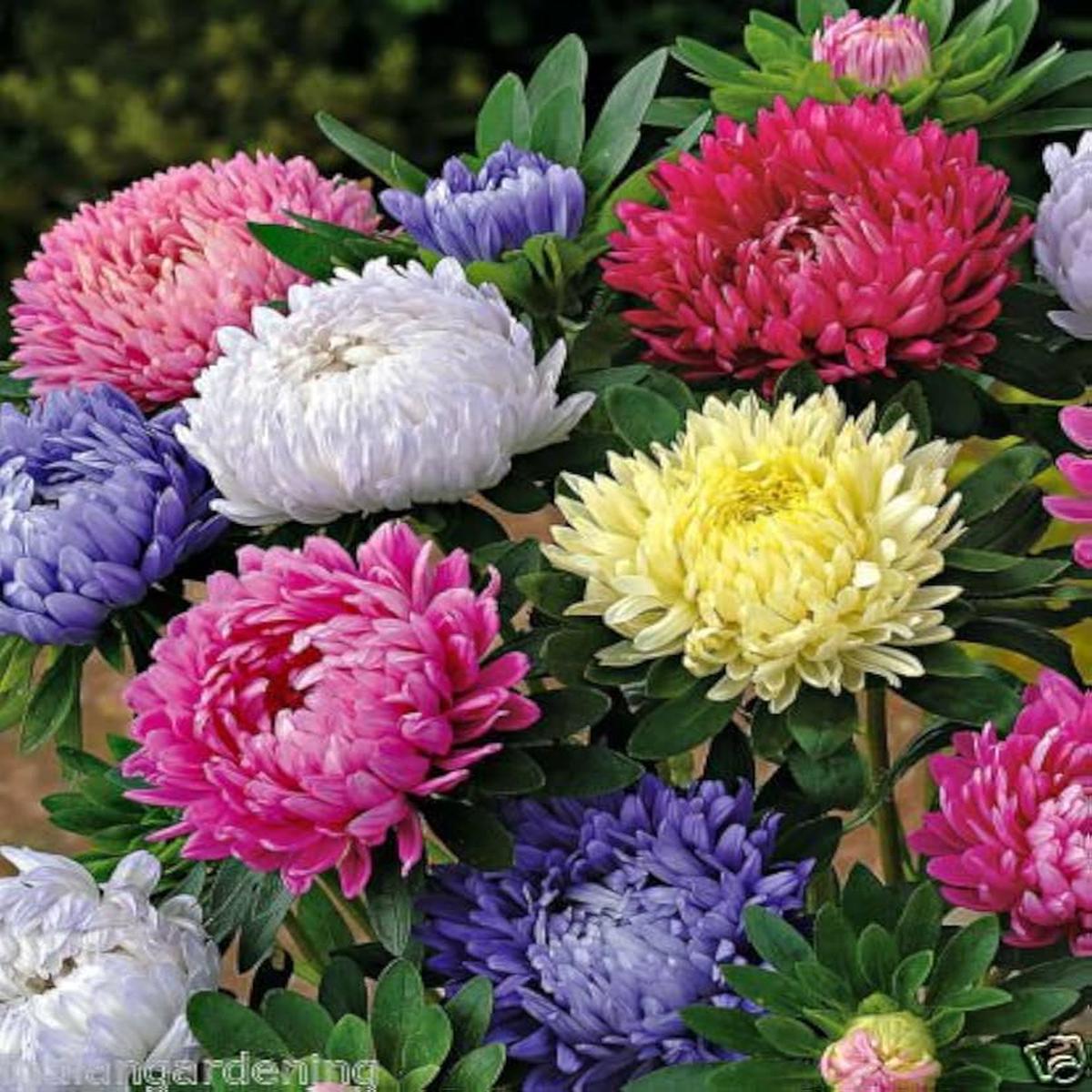
Symphyotrichum Novae-Angliae, commonly known as New England Aster, is a stunning perennial that produces vibrant, daisy-like flowers in shades of purple, pink, and white. Ideal for pollinator gardens, this mix provides essential nectar for bees, butterflies, and other beneficial insects. With its late-season blooms, New England Aster brings a burst of color to your garden just when other plants are fading, making it perfect for fall gardens and seasonal displays.
Features and Specifications:
- Plant Type: Perennial
- Flower Color: Purple, Pink, White (New England Mix)
- Height: 3-6 feet
- Spread: 18-24 inches
- Blooming Season: Late Summer to Fall
- Preferred Zones: USDA Hardiness Zones 4-8
- Sunlight Requirements: Full Sun to Partial Shade
- Soil Type: Well-draining, moderately fertile soil
- Watering Needs: Moderate; keep soil evenly moist
- Pollinator Attraction: Bees, Butterflies, and other Pollinators
- Growth Habit: Upright, bushy growth with numerous, vibrant blooms
Planting Guide:
- When to Plant: Sow seeds in early spring after the last frost or indoors 6-8 weeks before the last frost to get a head start.
- Planting Location: Choose a sunny or partially shaded location with well-draining soil. New England Asters thrive in full sun but can tolerate light shade.
- Soil Preparation: Aster plants prefer moist, well-draining soil. Amend heavy or clay-based soil with organic matter to improve drainage.
- Watering: Keep the soil evenly moist, especially during dry periods. However, avoid waterlogging to prevent root rot.
- Maintenance: Deadhead spent flowers to encourage more blooms and cut back stems after blooming to maintain the plant’s appearance through winter.

 Unconditional Satisfaction Guarantee