$15.16
$18.95
50% OFF! Hot items selling fast—Grab them before they're gone!

 Unconditional Satisfaction GuaranteeNo Shipping Fees Above 302 Months to Decide. Returns Simplified.
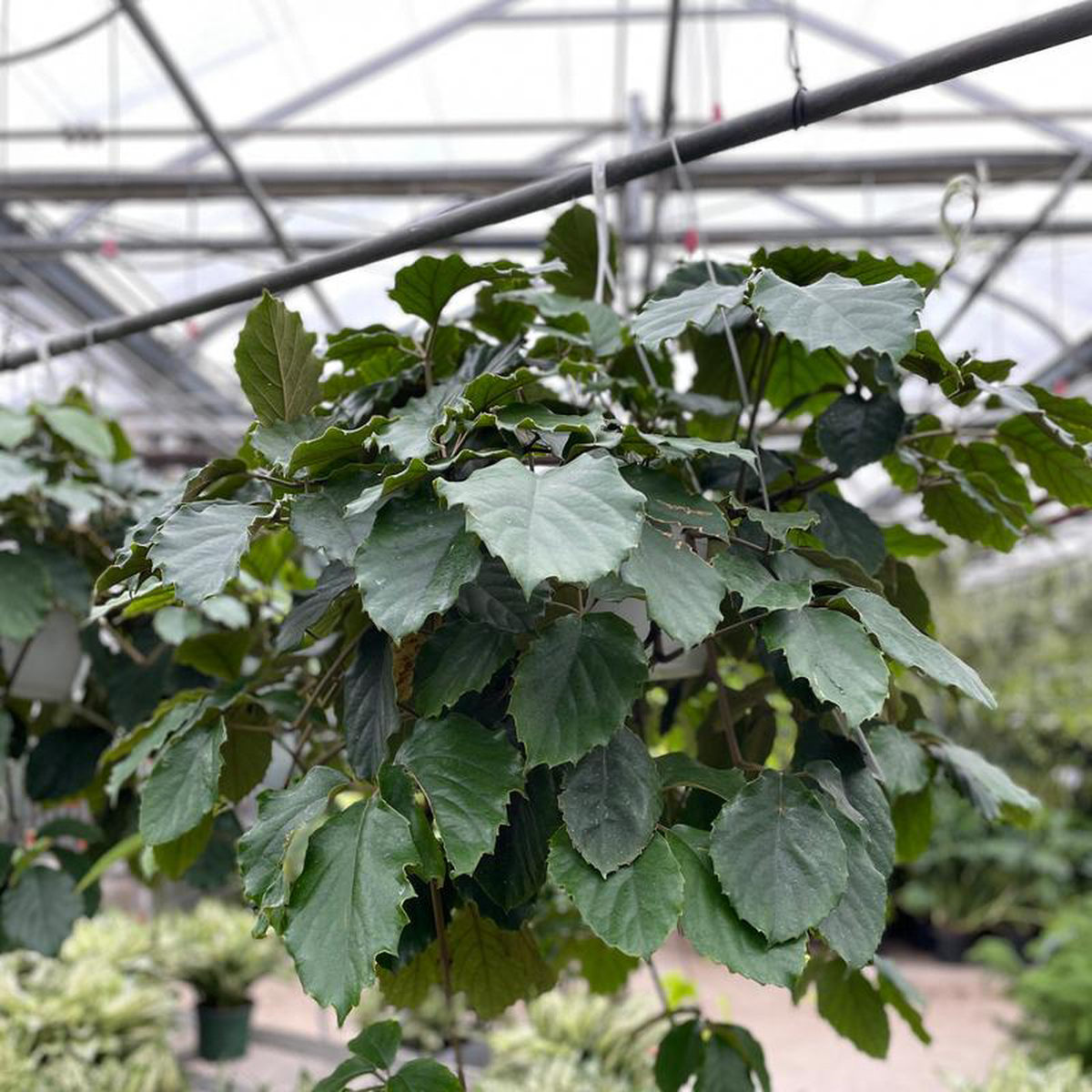
Mallotus philippensis, commonly known as the Kamala tree, is a tropical tree native to Southeast Asia. This remarkable plant is renowned for its vibrant red-orange seeds, which are rich in a natural dye called kamala. The tree can grow up to 15 meters tall and thrives in a variety of soil types, making it a versatile addition to any garden or landscape. Its leaves are also used in traditional medicine, showcasing the plant’s multifaceted benefits.
This species is not only valued for its aesthetic appeal but also for its ecological significance. Mallotus philippensis plays a crucial role in supporting local wildlife, providing habitat and food for various bird species. Additionally, its seeds have been historically used in dyeing textiles, making it an important plant in cultural practices across Asia.
Mallotus philippensis is unique for its ability to produce a natural dye, which is non-toxic and environmentally friendly. The dye extracted from its seeds has been used for centuries in traditional crafts and textiles. Furthermore, the tree’s rapid growth and adaptability to different climates make it an excellent choice for reforestation and soil conservation efforts.